Tenerife Premium Card
Experiences
Hotels & Accommodation
Find accommodationAre you a property owner?Real Estate · Real estate
Services
Health & ParapharmaciesBeauty & CareHome & RepairsCar & AssistancePaperwork & ConsultingTourist ServicesPets
See all services
The Heart
Prices
View all plans
Preview
Discover
Trip Planner
Videos
Blog
Business
Dashboard
Distribution
Commercial Partners
Platinum
Dashboard
Get your card
Experiences
Find accommodationAre you a property owner?Real Estate · Real estate
Health & ParapharmaciesBeauty & CareHome & RepairsCar & AssistancePaperwork & ConsultingTourist ServicesPetsSee all services
The Heart
View all plansPreview
Trip PlannerVideosBlog
DashboardHub BusinessDistributionCommercial Partners
Platinum
⚙ Admin
Get your card→

Stars · What to do

Stargazing in Tenerife

TPCard Editorial · August 26, 2026 · 6 min read · Updated September 12, 2026

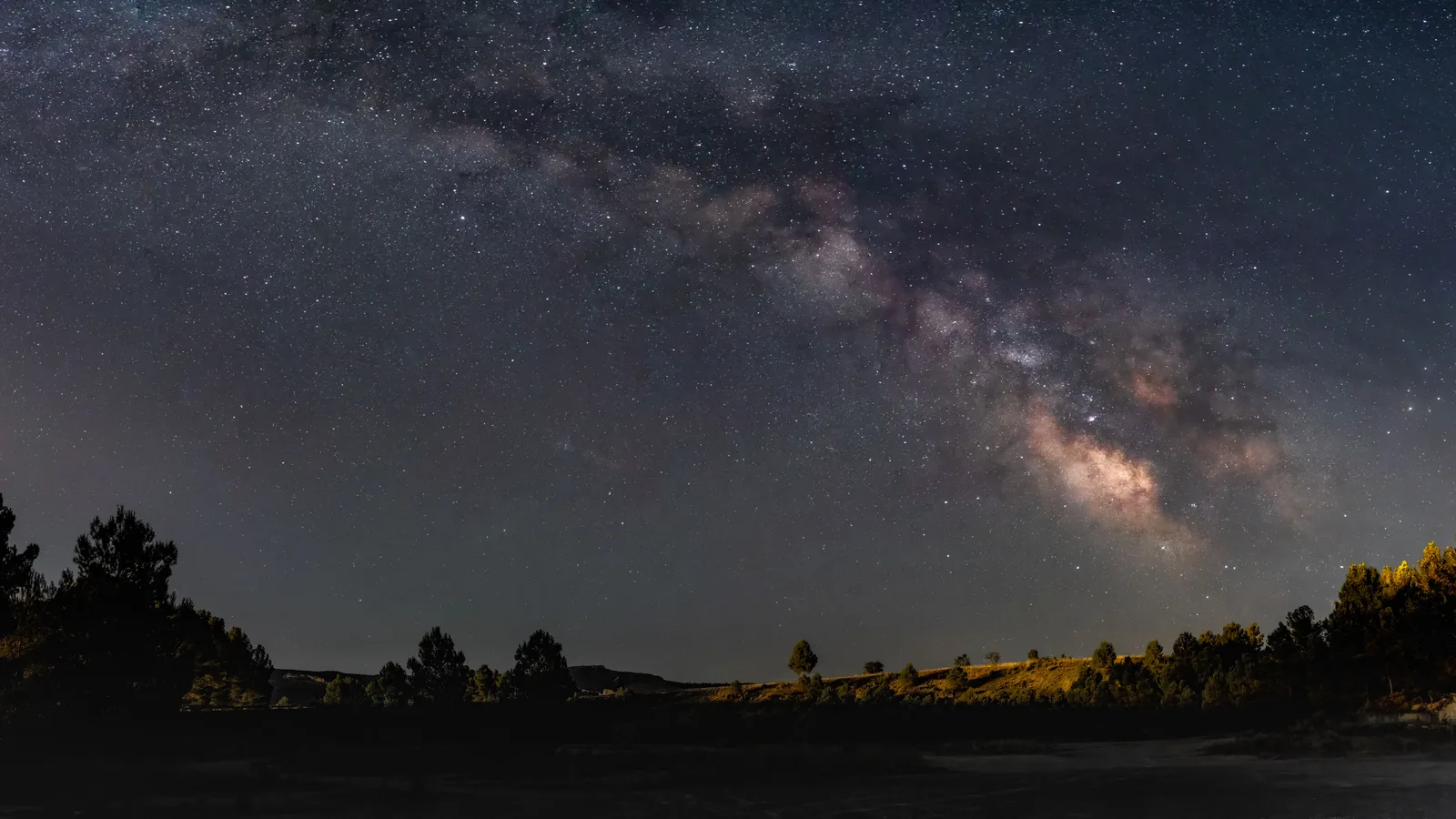
Starry sky with the Milky Way on a clear night, the kind of sky you see from the Teide National Park in Tenerife

Tenerife is one of the most important astronomy destinations in Europe and offers exceptional conditions for looking at the stars — and the reason has a name: the Teide National Park. Up at altitude, above the sea of clouds, with dry air and very little artificial light, the sky is so clear that the island is home to some of the most important astronomical observatories. And the lovely thing is you can experience it two ways: on your own and for free, driving up at night, or with a guided tour and a telescope. Here's why it's so special, what you can see, when to go, how to organise it and what to bring.

Why the Teide is so special

The sky over the Teide Park is protected by the Canaries' so-called "Sky Law", which preserves its astronomical quality by regulating, among other things, light, atmospheric and radio-electrical pollution, and it has been recognised since 2014 as a Starlight Tourist Destination. That's thanks to the altitude, the clean, dry air and more than 300 nights a year with clear or partly clear skies: from the island's summits you can observe 83 of the 88 official constellations. It's no coincidence that the Canaries are considered among the best places on the planet for astronomy, with professional observatories under these skies.

What you can see

  • The Milky Way: spectacular, especially in summer, when the galaxy's core sits higher in the sky.
  • The planets: when they're visible, through a telescope you can see Saturn's rings and Jupiter's moons.
  • The Moon: craters and seas in surprising detail (though on full-moon nights its light "washes out" the faintest stars).
  • Galaxies, nebulae and, at certain times, meteor showers.

Doing it for free, on your own

Stargazing on the Teide doesn't require a ticket: you can drive to the permitted points of the National Park and stop at the designated observation areas — such as the Parador, Montaña de Guajara, El Portillo or Ucanca — always respecting the signs and park rules. With the naked eye you already see a huge amount, no equipment needed. For the best result choose a night near the new moon with clear skies, away from the coastal lights, especially if you want to see more faint stars and the Milky Way. Bring a torch (ideally red light, which doesn't dazzle) and very warm clothes. How the drive up works and what to know about the park is in the guide on how to climb Teide.

The guided telescope tour (paid)

If you want the most out of it, an astro-tourism tour is another thing entirely: a Starlight guide explains constellations, planets and deep-sky objects, and with professional telescopes you see details impossible with the naked eye. Many tours combine the sunset from altitude with night-time observation (the classic "Sunset & Stars") and often include hotel pick-up and drop-off — very convenient, since you don't worry about driving or timings. It's among the island's best-loved experiences: you'll find it in the partner activities catalogue, along with the others in the guide on the best excursions in Tenerife. Some partners apply TPCard discounts, with conditions that vary from partner to partner: it's worth checking before you book.

When to go

You can observe the sky all year: here nights with clear or partly clear skies are plentiful (over 300 a year). From April to October the night-time temperatures at altitude are generally more comfortable, while summer is particularly good for the Milky Way — but winter has its shows too, such as the Geminid meteor shower in December. In any season, aim for a night near the new moon for the darkest sky, and always check the weather and cloud before heading up. For the general month-by-month climate picture there's the guide on when to visit Tenerife.

What to bring (and a little caution)

  • Very warm clothes: at altitude at night it's cold even in summer, and the wind can make it feel even colder — jacket, fleece, hat and closed shoes.
  • A red-light torch: it lights your way without ruining your eyes' adaptation to the dark.
  • Something warm to drink and a blanket if you stay a while.
  • If you drive at night, take care: the mountain roads are winding and dark. Alternatively, a guided tour also sorts out the transport.

How to fit it into the trip

Astro-tourism combines beautifully with a day on the Teide — cable car and volcanic landscapes by day, stars by night — or it's an evening outing in its own right, perhaps after dinner. It's one of the five experiences we cover among the things to do in Tenerife, and it remains one of those memories you don't forget.

In short

Stargazing in Tenerife is a not-to-miss experience: the Teide Park is a Starlight Destination, with over 300 nights a year of clear or partly clear skies and one of the purest skies in Europe. You can do it for free by driving up to altitude (new moon, clear sky, warm clothes, permitted points) or with a guided tour and telescope, richer and more convenient. Either way, look up: up here the sky is something else.
Frequently asked questions

Why is Tenerife so good for stargazing?

Because it offers very transparent skies, little light pollution on the summits and atmospheric conditions especially favourable for astronomical observation. The Teide and Tenerife's summits are Starlight-certified (a Starlight Tourist Destination since 2014) and from the island's summits you can observe 83 of the 88 official constellations. The sky is also protected by the Canaries' "Sky Law", which regulates light, atmospheric and radio-electrical pollution.

Can you stargaze on the Teide for free, on your own?

Yes. Driving to the permitted points of the Teide Park (such as the Parador, Montaña de Guajara, El Portillo or Ucanca) and observing doesn't require a ticket, and with the naked eye you already see a huge amount. For the best result choose a night near the new moon with clear skies, away from the lights, bring a red-light torch and very warm clothes, always respecting the signs and park rules. For a richer experience (telescope and guide) there's the paid tour.

Is a telescope astro-tourism tour worth it?

If you want the most out of it, yes: a Starlight guide explains the sky and with professional telescopes you see details impossible with the naked eye (like Saturn's rings, when it's visible). Many tours combine the sunset from altitude with night-time observation and include hotel pick-up and drop-off, so you don't worry about driving or timings.

What is the best time for stargazing in Tenerife?

You can observe all year: nights with clear or partly clear skies number over 300. From April to October the night-time temperatures at altitude are generally more comfortable and summer is ideal for the Milky Way; winter also brings shows, such as the Geminid meteor shower in December. In any season, aim for a night near the new moon for the darkest sky, and always check the weather and cloud.

Is it cold at night on the Teide?

Yes, at altitude at night it's cold even in summer, and the wind can make it feel even colder. You need very warm clothes (jacket, fleece, hat), closed shoes and perhaps a blanket and something warm to drink if you stay a while. A red-light torch is also useful, as it lights your way without ruining your eyes' adaptation to the dark.

Before you go, get the card

Discounts from verified partners on restaurants, excursions and activities across Tenerife.

Discover TPCard

CONTINUE READING

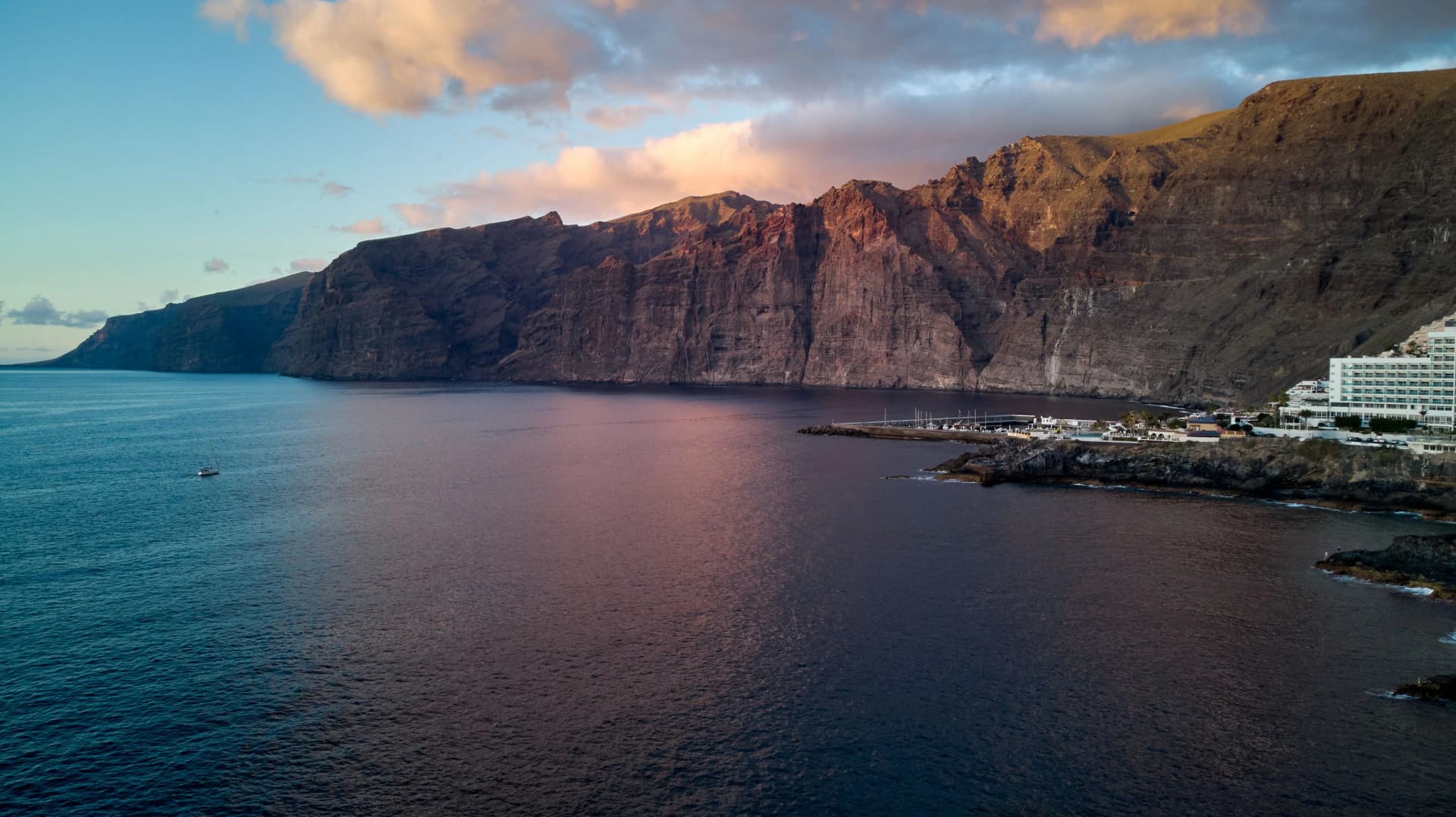
Los Gigantes cliffs at sunset with Puerto de Santiago harbour and the Atlantic Ocean, south-west Tenerife

Things to do

Los Gigantes: cliffs, sea and how to plan your day

The most spectacular cliffs in the south-west: viewpoint, harbour, boat to Masca, whale watching and ocean sunsets — how to plan your visit.

8 MIN · August 29, 2026

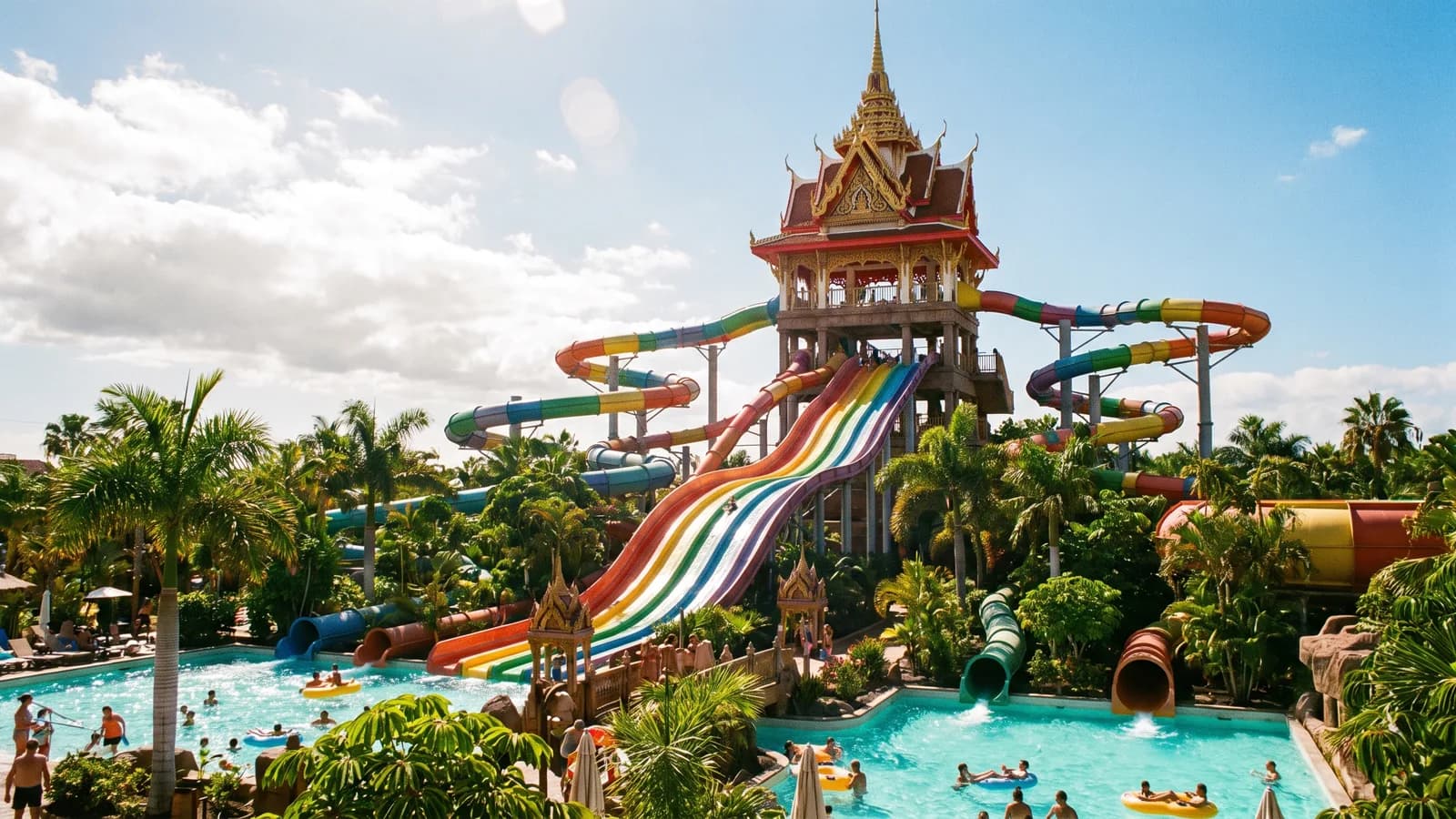
Colourful water slide at a Tenerife water park with Mount Teide in the background

Things to do

Parks in Tenerife: Siam Park, Loro Parque and Aqualand compared

Siam Park, Loro Parque and Aqualand: what to expect from each, indicative prices and how to choose based on kids, time available and budget.

7 MIN · August 26, 2026

Reed aroma diffuser with dried flowers and linen towels in a warm-toned spa setting

Things to do

Spa and wellness in Tenerife: circuits, massages and thalassotherapy

Wellness circuits and thalassotherapy, massages and treatments, hotel spas open to non-guests too: how to enjoy wellness in Tenerife and when to book.

5 MIN · August 27, 2026

— THE CARD

You've read the guides. Now live them.

Discounts from verified partners across the island, from the card on your phone.

Discover the TPCard →
Tenerife Premium Card™

TPCARD, S.L.

NIF B93881506

info@tpcard.es+34 922 150 311+34 624 615 845

Support: Mon-Sun 9:00-20:00 · Chatbot 24/7

VISAMASTERCARDAMEXAPPLE PAYGOOGLE PAY🔒 STRIPE

Explore

ExperiencesPricesFAQContactAbout us
Explore
ExperiencesPricesFAQContactAbout us

Partner

Work with us
Partner
Work with us

Legal

Card rulesCommercial Partner ProtocolPrivacyCookieTermsLegal notice
Legal
Card rulesCommercial Partner ProtocolPrivacyCookieTermsLegal notice
© 2026 Tenerife Premium Card™ · Tenerife, Canary IslandsEU dispute resolution