"When to visit Tenerife?" is one of the most searched questions on Google before booking. The short answer: Tenerife is a year-round destination — the climate is subtropical, mild even in midwinter — so the real question isn't "will the weather be good", but "which month suits what I want": warm sea, low prices, or fewer crowds. Here you'll find the month-by-month climate with the climate data, the north-vs-south difference (which matters more than the month you pick), and how to plan for lower costs.
The quick answer
- Warmest: July to September (average highs around 28 °C in the south), but without mainland Spain's extremes.
- Warmest sea: August to October (23-24 °C) — the ocean is milder in autumn than in early summer.
- Often cheaper: May, June and September, outside the price peaks — but fares depend on route and dates.
- Busiest and priciest: Christmas-New Year, Easter and August.
- The north is cloudier and wetter than the south, all year: it's a choice that matters more than the month.
The climate month by month (south coast)
The average highs and rainfall below are the AEMET climate normals for the Tenerife Sur station; the sea temperature is a historical series for Playa de las Américas. Values can differ slightly in individual coastal spots.
| Month | High | Sea | Rain |
| January | 22 °C | 20 °C | 17 mm |
| February | 22 °C | 19 °C | 20 mm |
| March | 23 °C | 19 °C | 15 mm |
| April | 23 °C | 20 °C | 7 mm |
| May | 24 °C | 20 °C | 1 mm |
| June | 25 °C | 21 °C | 0 mm |
| July | 28 °C | 22 °C | 0 mm |
| August | 28 °C | 23 °C | 1 mm |
| September | 28 °C | 24 °C | 4 mm |
| October | 27 °C | 24 °C | 12 mm |
| November | 25 °C | 22 °C | 26 mm |
| December | 23 °C | 21 °C | 30 mm |
Two things stand out. First: winter is mild, not cold — even in January and February average highs stay around 22 °C, which is why Tenerife is a "winter sun" destination. Second: the sea is warmer in autumn than in early summer. In August the air peaks, but the ocean only reaches its high (24 °C) between September and October, because water warms more slowly than land.
North or south: the difference that matters more than the month
On such a small island, where you stay changes the climate more than the month you go. The south is warmer, sunnier and much drier: in the Tenerife Sur area average rainfall is about 132 mm a year. The north is cooler and cloudier, especially in summer, and much wetter — but how much depends on the spot: Santa Cruz, on the coast, stays relatively dry (about 226 mm a year), while stations more exposed to the trade winds such as Tenerife Norte top 500 mm. Overall the northern landscape is much greener, and it's no accident that almost all the resorts cluster in the southwest. If you want near-guaranteed sun aim south; if you prefer greenery, culture and a less resort-driven feel, the north has its appeal — and in several places accommodation and dining can cost less than in the southern tourist areas. We cover it in the guide on where to stay in Tenerife without a car.
When you can swim
The ocean in Tenerife never freezes, but it isn't as warm as the Mediterranean in summer either. From August to October it reaches its highest temperatures of the year, around 23-24 °C. In winter it drops to 19-20 °C: swimmable for many people, but it can feel cool, especially on the way in. If winter swimming is what you're after, it's the subject of the guide on Tenerife in winter.
The calima: what it is and when it comes
The calima is a mass of hot air arriving from the Sahara: the temperature rises by several degrees and the air fills with fine sand and dust, with a milky sky and reduced visibility. It's a fairly frequent phenomenon in the Canaries: episodes of varying intensity recur through the year, with some prevalence in spring and summer. It's not a reason to stay home — an episode can last from a few hours to several days, depending on the weather situation — but it's worth knowing it exists: when it hits, it's not "Tenerife's weather", it's a passing condition.
High and low season: when it costs less
The climate changes little through the year, but prices do. Flights and accommodation rise in the three peaks — Christmas-New Year, Easter and August — and drop in the "shoulder" months. May, June and September are often a good balance of climate, crowds and price, but fares vary a lot by route, dates and type of accommodation. For the full cost of a holiday see the guide on the budget for a week in Tenerife.
| Period | Prices | Climate |
| Christmas-New Year | High | Mild, a few rainy days |
| Easter | High | Spring-like, sea still cool |
| August | High | The hottest, sea warm |
| May-June | Lower | Mild warmth, sea rising |
| September | Lower | Warm, sea at its peak |
| November-March | Lower (except Christmas) | Winter sun, mild |
The right month for you
There's no absolute "best month": it depends on what you're after. Here's how to choose.
| If you want… | Recommended months | Why |
| Sea and beach | June-October | Warm air and ocean at its peak (23-24 °C) |
| To spend less | May, June, September | Generally outside the price peaks, still-excellent weather |
| Fewer crowds | May, June, late September-October | Between the peaks, with the good weather still there |
| Hiking and interior | April-May, October | Cooler temperatures for walking |
| Winter sun | November-March | Average highs around 22-23 °C, escape from the cold |
And if you go to Tenerife: the card discounts work all year
Whichever month you choose, the TPCard discounts offered by each partner (10 to 40 % depending on their terms) are available all year at restaurants, car rental and excursions; the base price of the services can still vary with the season. If your month is one of the pricey ones, it's a way to claw something back on the ground; if it's one of the cheap ones, it stacks on the saving you've already made on flights and accommodation. See how it works in the guide on the budget for a week in Tenerife.
In short
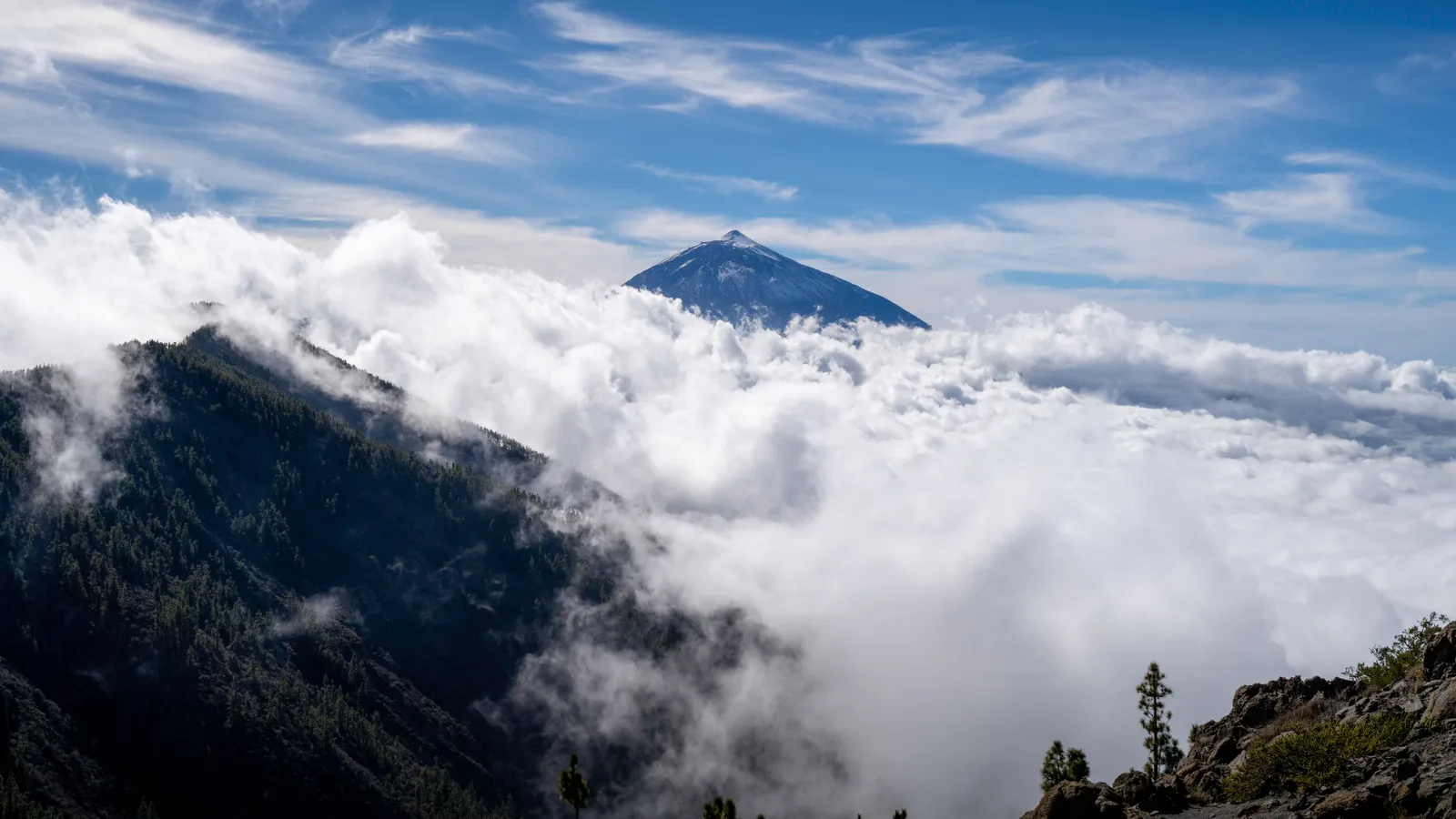
Tenerife is a year-round destination, but it doesn't have a single climate: the coastal south, the north, Anaga and Teide can have different conditions on the same day. For the sea aim for June-October, for your wallet for May, June or September, for winter sun for November-March. And remember that the choice between north and south weighs on the climate more than the month you travel.