Tenerife has two faces when it comes to beaches: the south with imported golden sand and calm resort water, the north with volcanic black sand and a much wilder ocean. This guide covers both, beach by beach, with the real characteristics of each — not just a list of names. If you specifically want quiet, uncrowded coves in the south for a slow-paced trip, the dedicated guide to quiet beaches in southern Tenerife remains the more targeted choice.
The quick answer: the best beaches by type
- Golden sand and luxury: Playa del Duque, Costa Adeje — Blue Flag on the southern stretch, calm water, breakwater.
- Families with kids: Playa de Las Vistas, Los Cristianos — 850 metres, full services, easy access.
- Protected nature: Playa La Tejita, next to the Montaña Roja volcano — fewer services, more space.
- Windsurfing and kitesurfing: El Médano — steady wind, schools, not for anyone after silence.
- Black sand and scenery: Playa Jardín in Puerto de la Cruz (north), designed by César Manrique.
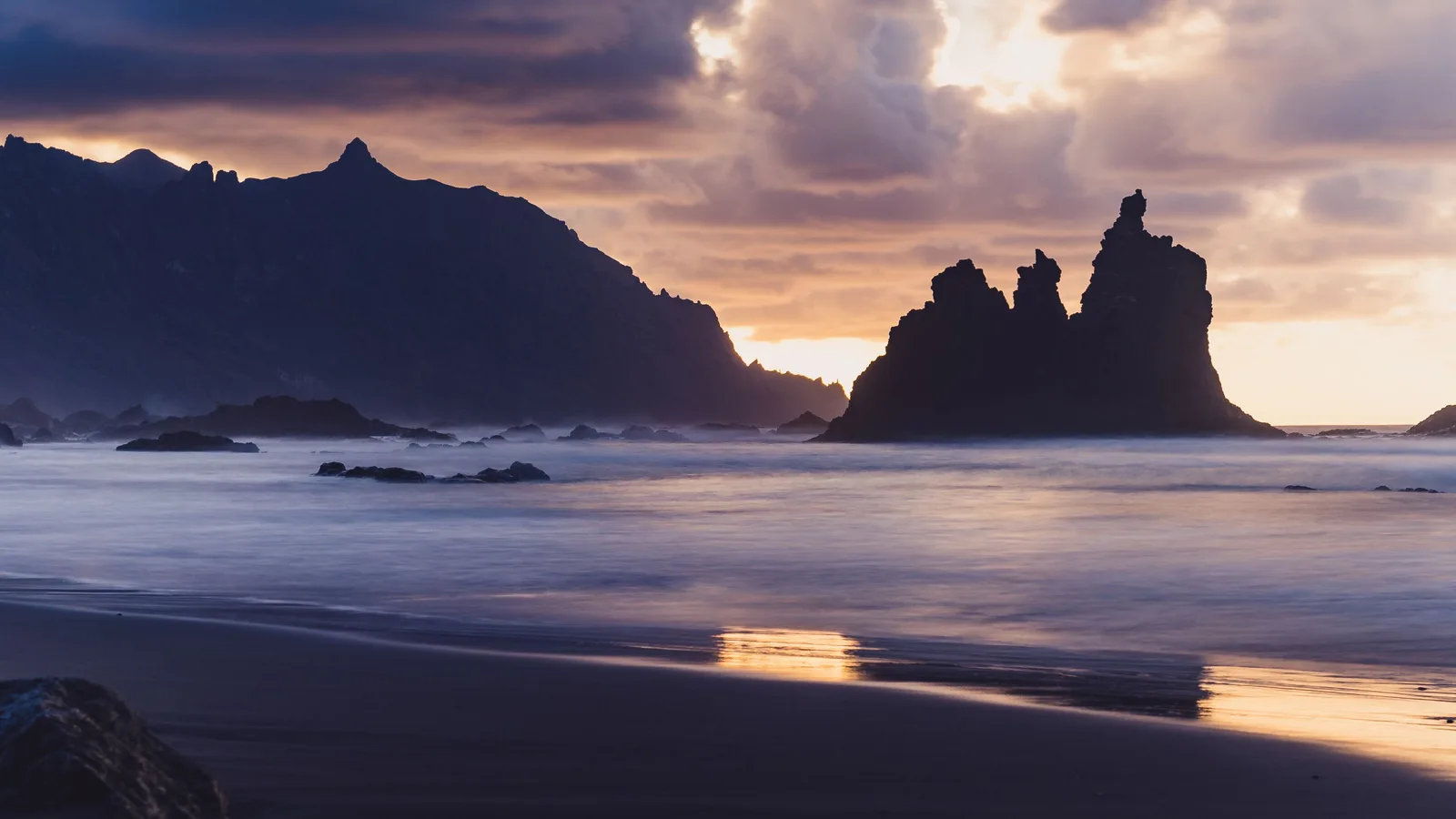
- Wild black beaches: Almáciga and Benijo, in the Anaga massif — covered in detail in the dedicated guide.
Golden sand or black sand: the difference that matters
Black sand is the island's original kind, of volcanic origin. Many of the south's golden beaches, on the other hand, are artificial: the sand was imported (often from the Sahara) starting in the 1970s to create the tourist offer we associate with Tenerife today. Black sand heats up much faster than golden sand under the same sun — in the warm months, from June to September, beach shoes aren't a luxury but a necessity at midday. In general, the south offers golden sand, calmer water (often breakwater-protected) and more tourist infrastructure; the north offers black sand, stronger waves, cliffs and far fewer tourists.
The beaches of the south: golden sand and calm water
Playa del Duque, in Costa Adeje, is the south's most exclusive beach: fine golden sand, turquoise water calmed by a breakwater, with luxury hotels and boutiques behind it. It holds a Blue Flag (confirmed again for 2026) and sits in one of the island's least windy zones. It's split into two stretches (north and south) and suits anyone after comfort more than adventure.
Playa de Las Vistas, in Los Cristianos, is 850 metres long and 80 wide: the most practical choice for families, with calm water, accessible walkways, lifeguards and a promenade lined with bars and restaurants behind it. It holds the Blue Flag, confirmed again for 2026: not to be confused with the nearby Playa de Los Cristianos, which did lose it this year.
Playa La Tejita, near Granadilla de Abona, is a natural beach roughly a kilometre long inside the Montaña Roja nature reserve, an ancient volcanic crater protected for its geological and ornithological value. Since it isn't directly reachable by car (there are two car parks with access paths), it has fewer services and more open space than resort beaches. The eastern end, beneath Montaña Roja, is a recognised nudist area.
El Médano: for wind-seekers, not silence-seekers
El Médano is Tenerife's windsurfing and kitesurfing capital, near Reina Sofía airport. The trade winds blow steadily from the northeast, strongest in July and August, and the sandy seabed makes getting into the water easy even for beginners. There are dedicated zones for rigging kites and schools for every level. It's not the beach for you if you're after calm — it is if wind is the reason for the trip.
The beaches of the north: black sand and wild scenery
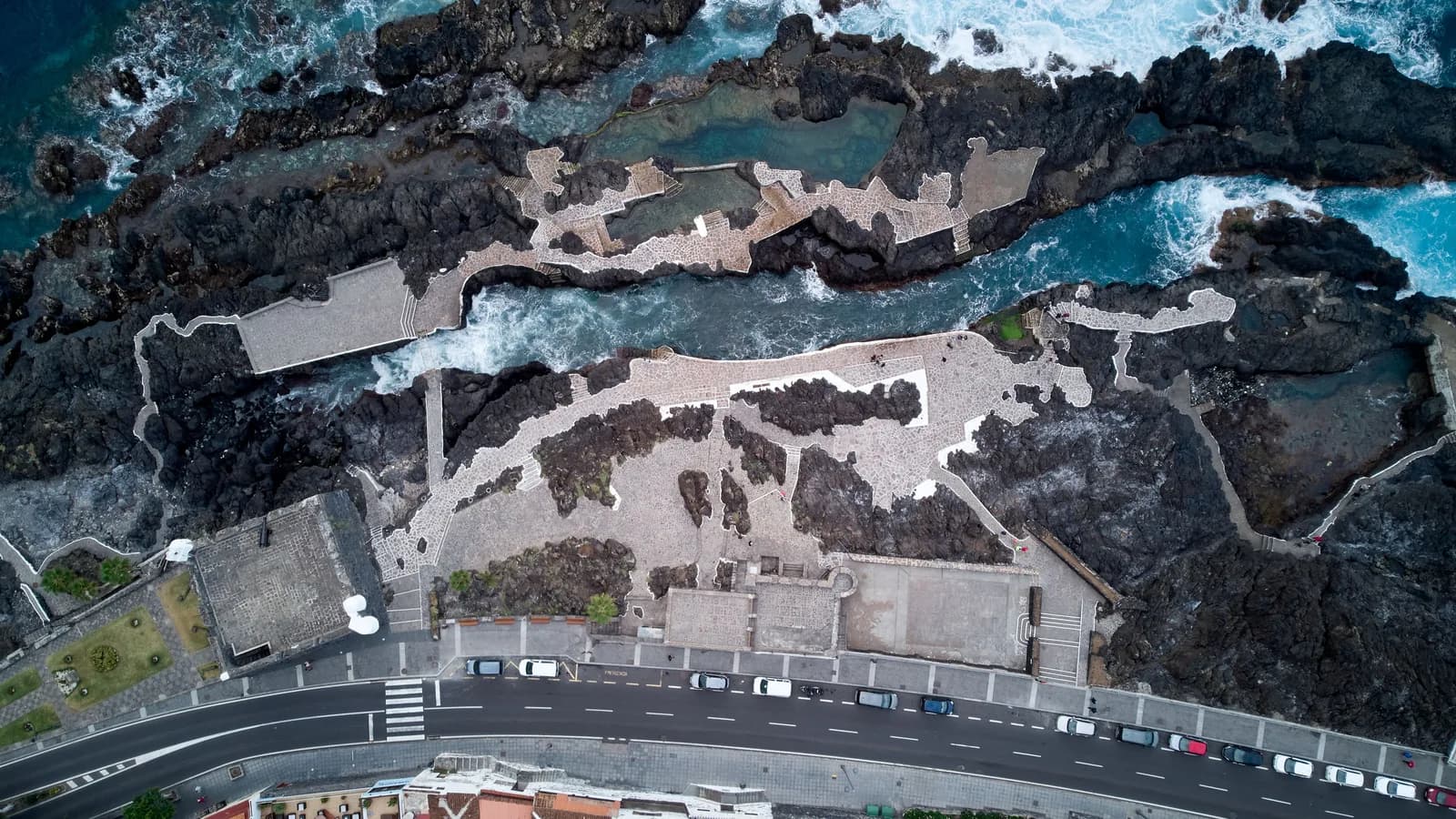
Playa Jardín, in Puerto de la Cruz, is the best example of how the north treats its black beaches: the setting was designed in the 1990s by Canarian artist César Manrique, with gardens, paths and waterfalls linking three stretches of black volcanic sand (Playa del Castillo, Playa del Charcón, Playa de Punta Brava) along a roughly 700-metre promenade. It's an urban beach, easy to reach, with a striking contrast between the dark sand and the green gardens around it.
The island's most dramatic black beaches, though, are in the Anaga massif: Playa de Almáciga and Playa de Benijo, with sheer cliffs and the famous Roques de Anaga. They're not suited to a relaxed swim — the Atlantic swell here is strong — but they're among Tenerife's most beautiful coastal landscapes. You'll find them covered in detail, along with the hike linking them to the village of Taganana, in the guide to Taganana and Anaga.
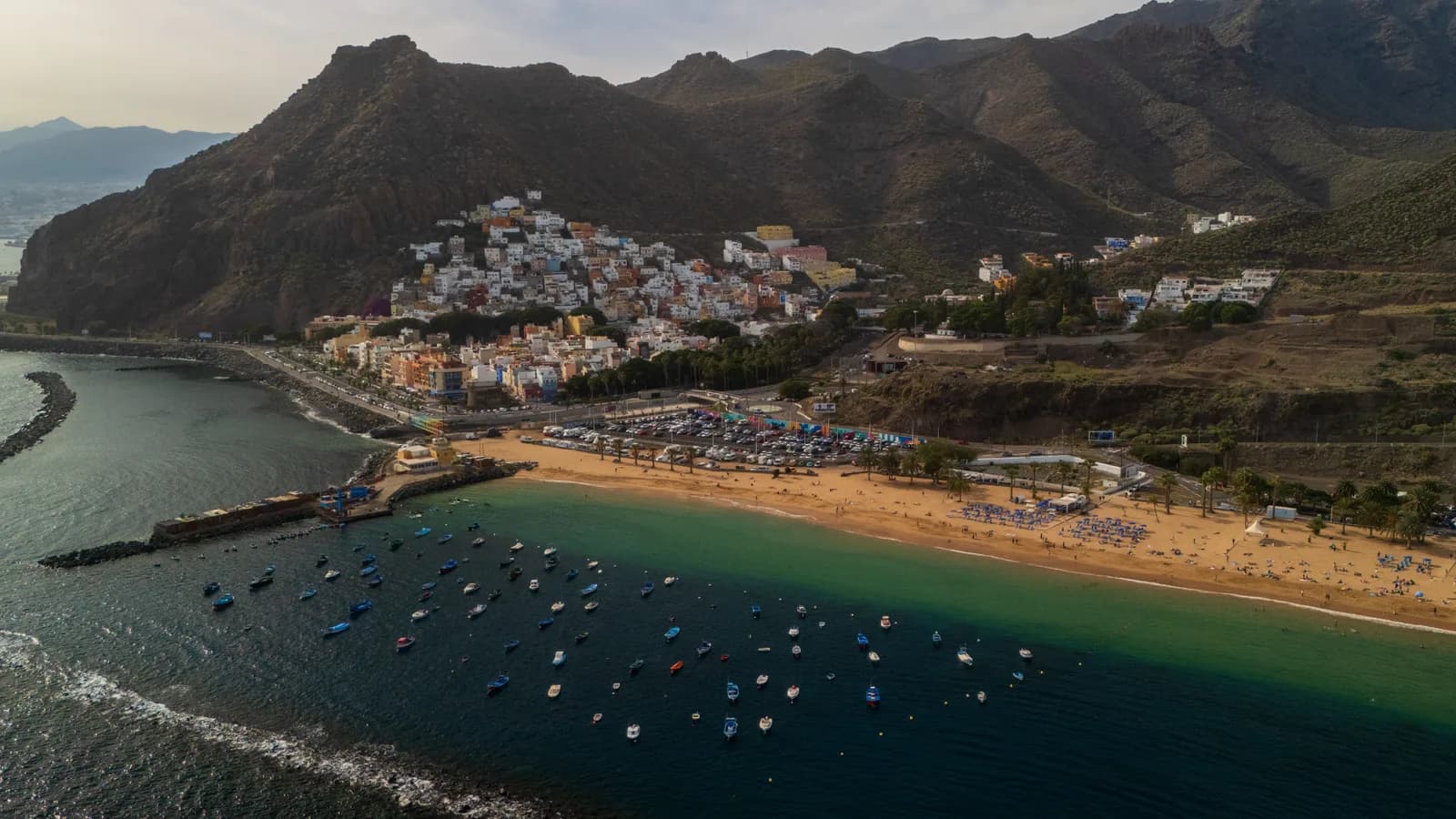
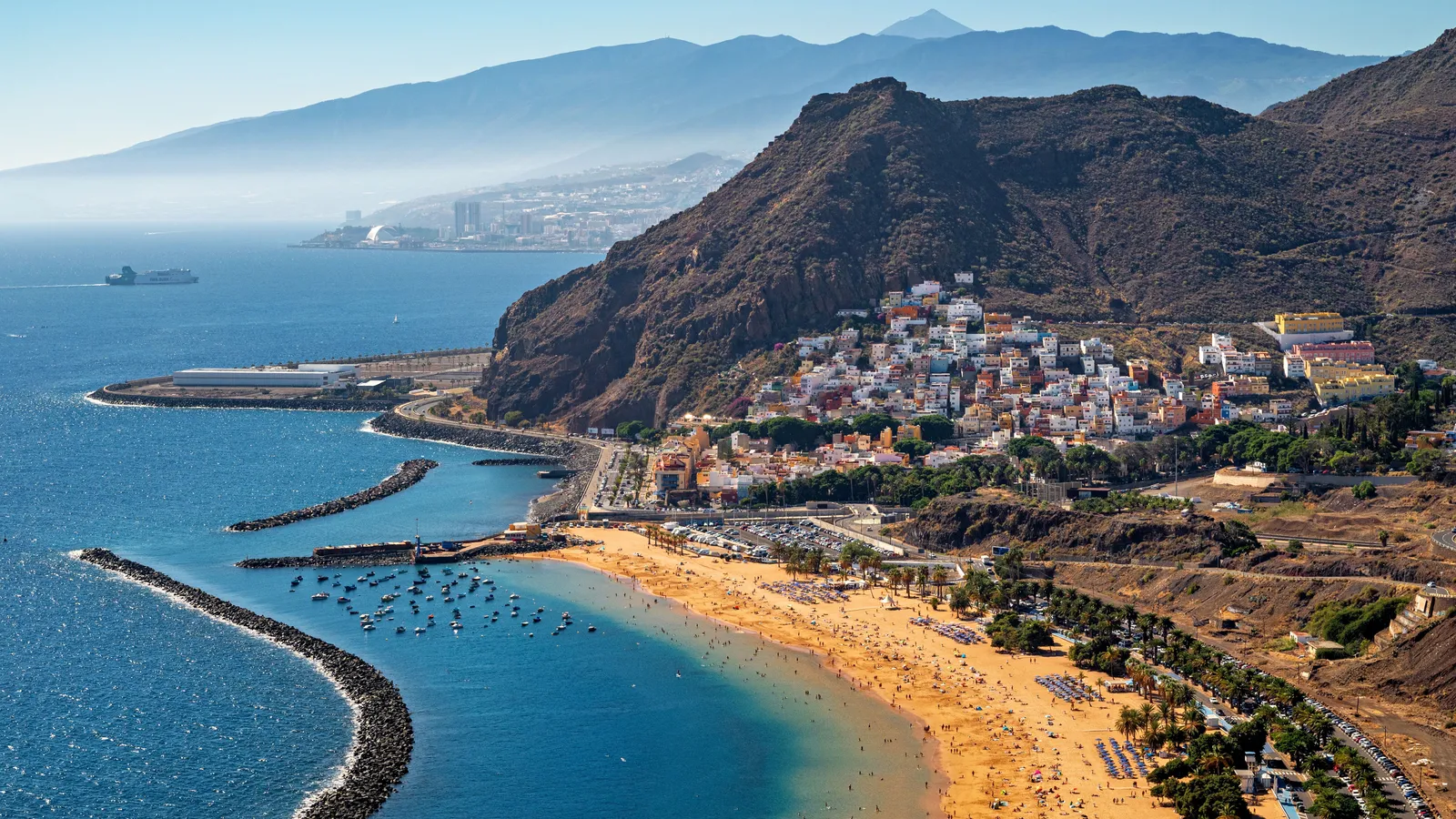
Near Santa Cruz, finally, Playa de Las Teresitas is a case of its own: golden sand brought from the Sahara but sitting in the north of the island, protected by a breakwater that makes it one of the few northern beaches suited to a calm swim. You'll find it covered in the guide to Santa Cruz in a day.
Blue Flag beaches in Tenerife: what it means
The Blue Flag certifies water quality, safety, services and environmental management every year. In 2026 Tenerife holds 11 Blue Flag awards — three of them natural pools in La Laguna rather than beaches — one fewer than the previous year, after Playa de Los Cristianos lost its Blue Flag. Playa del Duque and Playa de Torviscas (both in Adeje) held onto theirs. It's a good indicator but not the only one: many naturally valuable beaches, like La Tejita or the Anaga beaches, aren't part of the programme because of their wild character, not quality issues.
Which beach to choose, based on who you are
| Who you are | Recommended beach |
| Family with young kids | Playa de Las Vistas (Los Cristianos) |
| Couple after comfort and luxury | Playa del Duque (Costa Adeje) |
| Wants space and nature, not many services | Playa La Tejita (Granadilla) |
| Windsurfing or kitesurfing fans | El Médano |
| Wants to see black volcanic sand comfortably | Playa Jardín (Puerto de la Cruz) |
| After cliffs and dramatic scenery | Almáciga and Benijo (Anaga) |
| After calm and small crowds in the south | See the guide to quiet beaches in the south |
TPCard brings the island's verified partners together in one place on your phone, useful for getting your bearings among the experiences available — from windsurf schools in El Médano to boat trips along the coast — when planning your beach days in Tenerife.