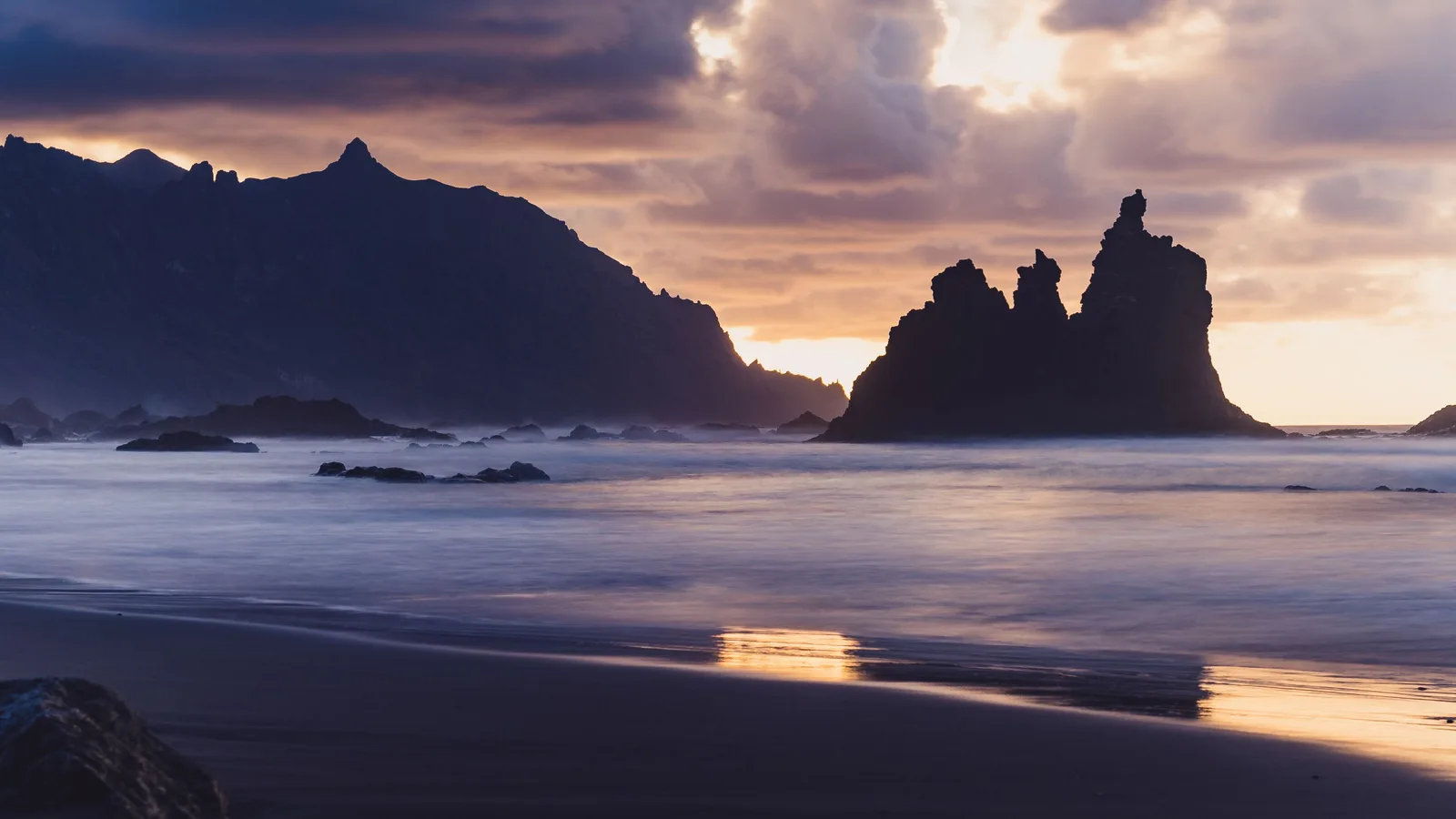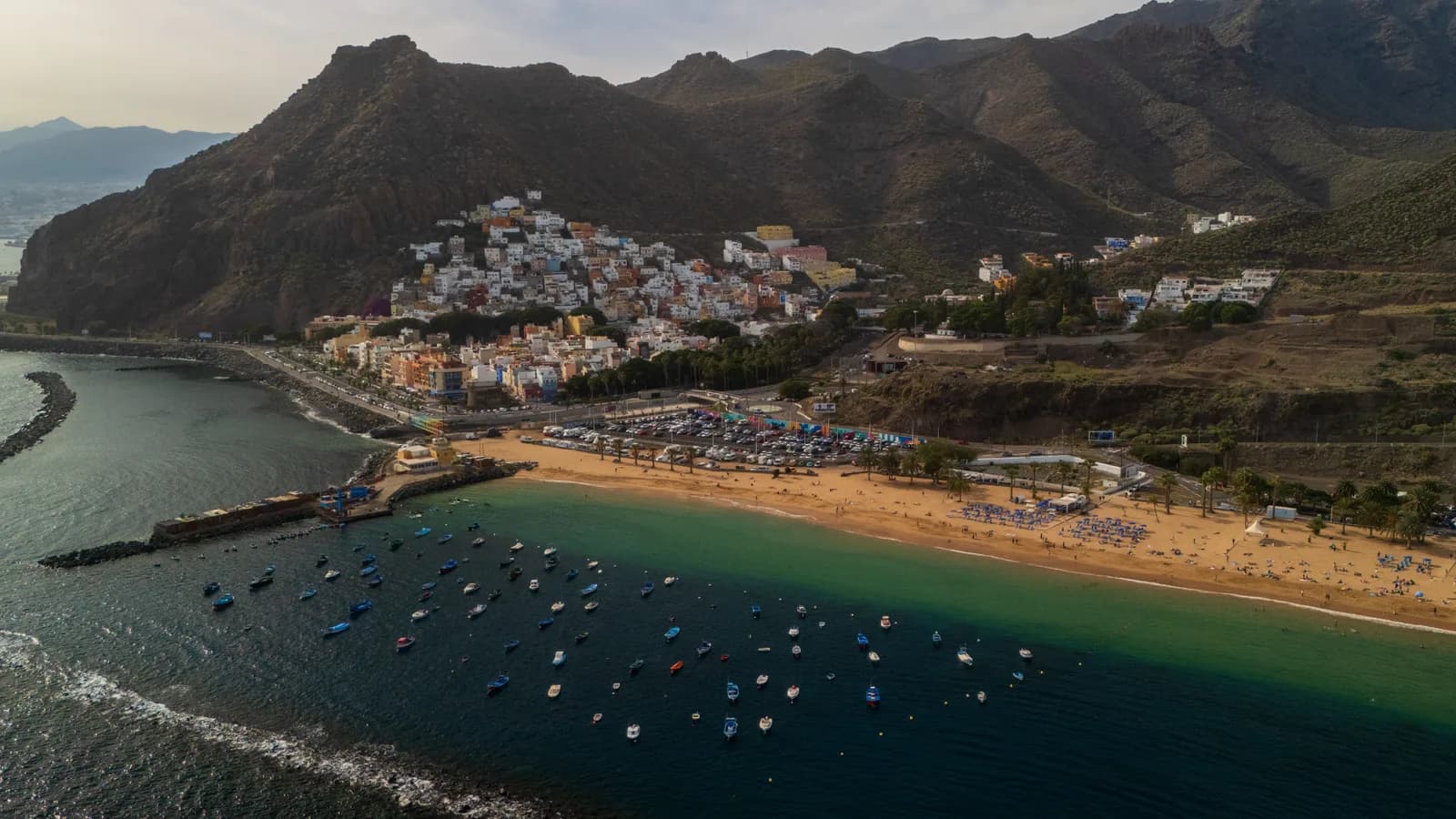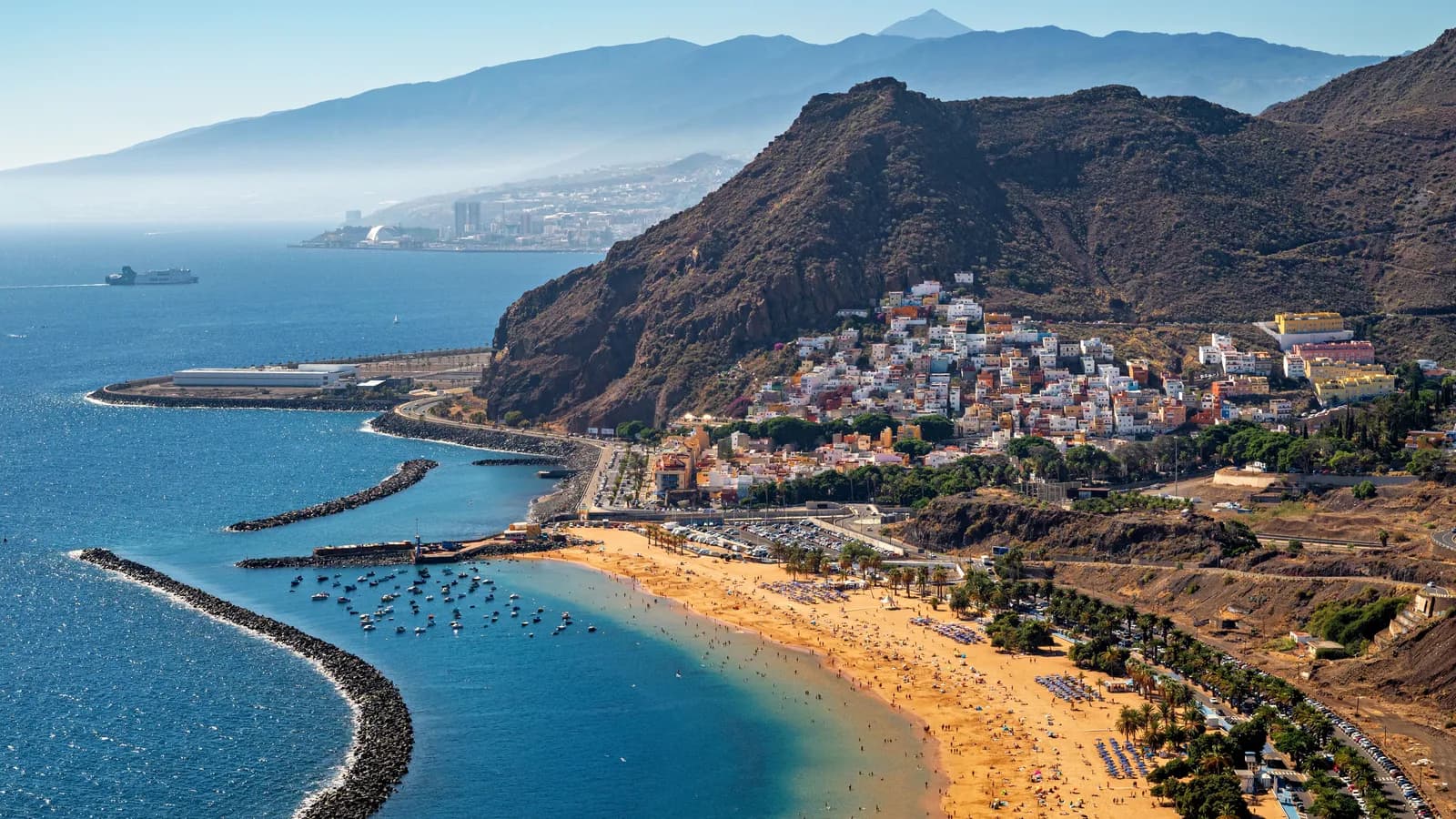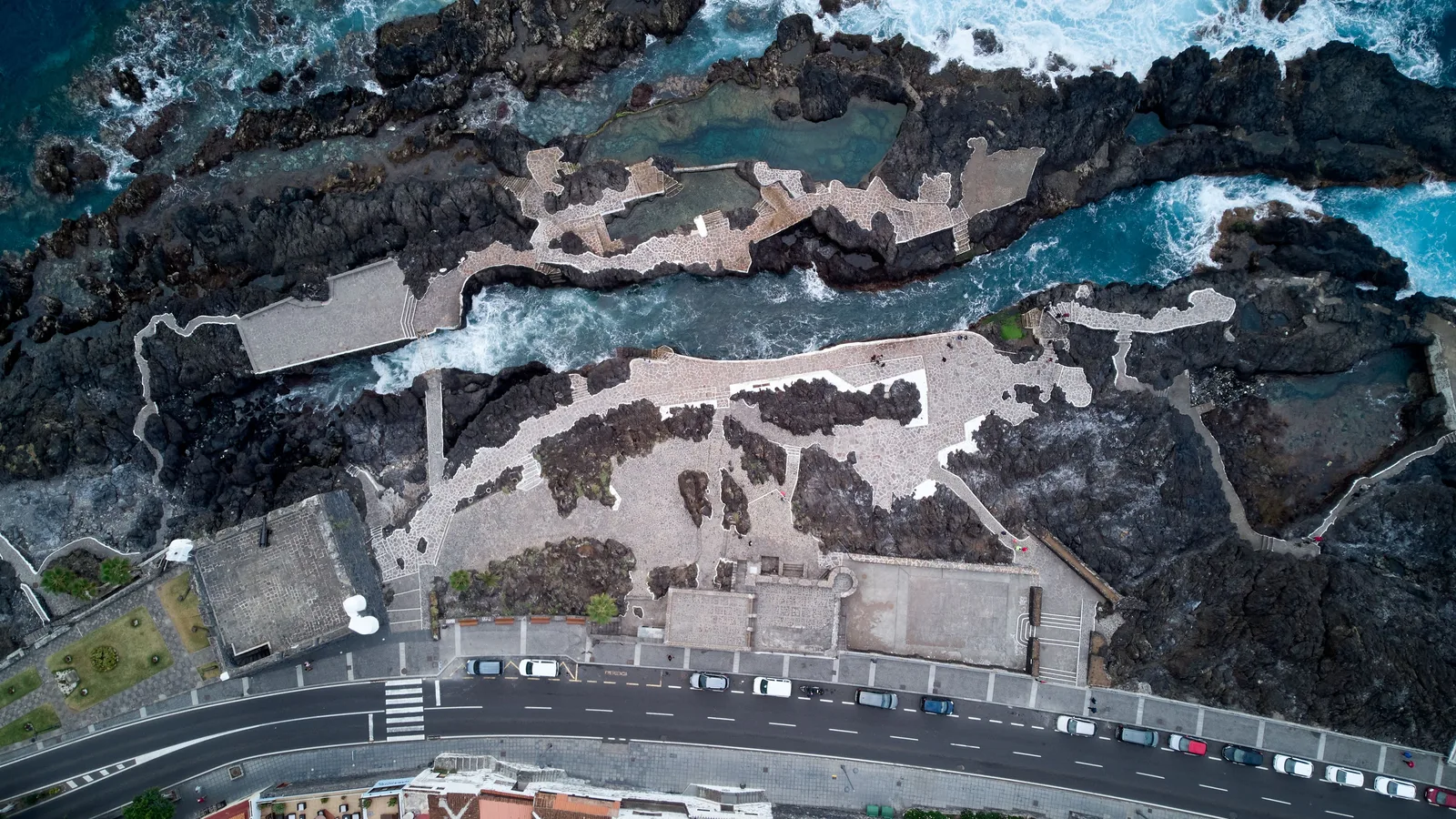
Natural pools — the charcos — are one of Tenerife's signatures: lava-rock pools filled by the ocean, with water that in normal conditions is more sheltered than the open sea and a turquoise colour that makes them spectacular. The greatest concentration is on the north and north-west coast. They're a beautiful alternative to the beach, but not all the same: some are equipped and supervised, others wild and to be approached with judgement. The most important distinction in this guide is exactly that — a "beautiful natural pool" doesn't automatically mean a "safe" one. Here are the best known, where they are, which really suit families and how to enjoy them safely.
The best known, one by one
- El Caletón (Garachico): a set of pools formed by the lava flows of the 1706 eruption, in the heart of the town. It's one of the most famous and accessible bathing spots on the island; some pools are more sheltered, but the swell in that area can be strong.
- Bajamar: among the safest and most complete, with two large pools, a small one for children, lifeguards, changing rooms, restaurants, adapted access and a 2026 Blue Flag. Great for families: the official list records it as “Piscinas Naturales de Bajamar”, one of three award-winning natural pools in the municipality of La Laguna.
- Punta del Hidalgo: equipped sea pools, with supervision and services (showers, reduced-mobility access, Blue Flag), combined with wilder coastal scenery.
- Charco de la Laja (San Juan de la Rambla): a scenic pool on the north coast, generally calm at low tide with little swell; reached by a coastal path. Even so, always check the sea conditions.
- Charco de Isla Cangrejo (Santiago del Teide): a pool protected by an artificial barrier with access steps, and a spectacular view of the Los Gigantes cliffs. The area is NOT supervised: only enter with a calm sea and low tide, and don't go near the edge when the swell rises.
- Charco del Viento (La Guancha): a volcanic space with distinct bathing areas and clear water, among the island's main natural pools.
North or south: where they are
The greatest concentration of natural pools is on the north and north-west coast — Garachico, Bajamar, Punta del Hidalgo, San Juan de la Rambla, La Guancha — where the lava coast and livelier sea have carved them over the centuries. But there are some in the south-west too, such as La Jaquita in Guía de Isora and Isla Cangrejo in Santiago del Teide. The touristy south relies mostly on equipped beaches. If you're planning your holiday around the sea, it's worth combining both — the golden beaches of the south and the northern charcos — as we cover in the guide on the most beautiful beaches of Tenerife and in the one on the quiet beaches of the south.
Safety: the part to really read
Natural pools are beautiful but must be respected: they're in direct contact with the ocean, and sheltered water doesn't necessarily mean safety when a set of waves arrives. The basic rules:
- Before you enter, check tide, wind and swell: a pool that looks calm can turn dangerous when conditions change. In rough sea or swell, you don't go in.
- The best for those wanting services and assistance are the equipped ones, with easy access, exit points and, where available, lifeguards: Bajamar and Punta del Hidalgo are particularly complete examples.
- The wilder or unsupervised pools (like Isla Cangrejo) need judgement: sharp lava rock and slippery algae make getting out hard.
- Water shoes, care with children, and never swim alone in an isolated pool.
- For some pools low tide gives better conditions, but not for all: always check the area's specific guidance.
It's not a list to scare you: it's what separates a splendid day from a problem. Sea conditions can change quickly, even in normally sheltered pools.
With children: tell the supervised pools from the wild charcos
With children the most important thing is the level of facilities and supervision, not just the beauty:
| Pool | With children | Note |
| Bajamar | Excellent | Children's pool, lifeguards, services |
| Punta del Hidalgo | Very good | Equipped, with supervision |
| El Caletón (Garachico) | With caveats | Beautiful, but check the swell |
| Charco de la Laja | With caveats | Usually calm, not always |
| Isla Cangrejo | Only with caution | Unsupervised, mind tide and waves |
They're all still sea pools, so the same cautions apply: calm sea, low tide where indicated and constant adult supervision. More tips for a child-friendly holiday are in the guide on Tenerife with kids.
When to go
For water comfort, August-October are the most favourable months, when the ocean is at its peak (23-24 °C); in winter it's cooler and the sea in the north often rougher. But for safety what matters most is the sea on the day: a warm sea can still have strong swell. For the full picture of sea and climate month by month there's the guide on when to visit Tenerife.
How to fit them into the trip
The northern charcos combine well with a day around Garachico, La Orotava and Puerto de la Cruz, or with exploring the coast. If you want a ready-made route that alternates north, south, Teide and sea, it's in the 7-day itinerary. And to decide where to base yourself — handier in the south or closer to the charcos in the north — there's the guide on where to stay in Tenerife.
In short
Natural pools are one of Tenerife's most beautiful and authentic faces, concentrated mostly in the north. For a first experience, and with children, choose the equipped, supervised pools like Bajamar and Punta del Hidalgo. El Caletón and the wilder charcos are gorgeous, but must be judged by the sea conditions; at Isla Cangrejo in particular there's no supervision and special caution is needed at high tide and strong swell. The golden rule remains one: check tide, wind and sea before you go in.