Most people who visit Tenerife stay in the south, and this is also where the bulk of the restaurants are. The problem is that on the more touristy seafront you often eat worse and pay more. The good news is that each area of the south has its own character: you just need to know where to look. This guide helps you choose area by area, without falling for the promenade traps.
How eating in the south works
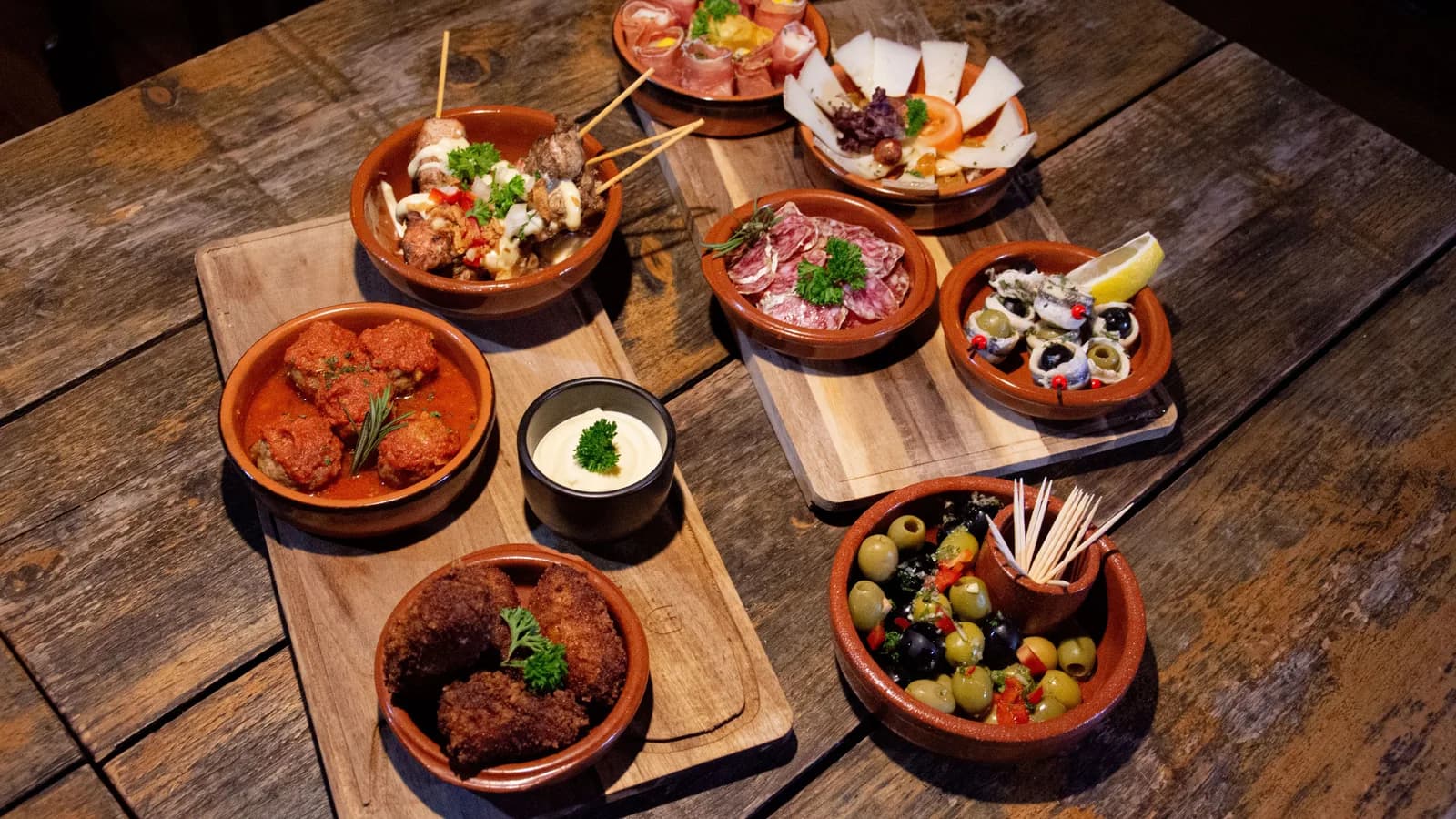
Two worlds coexist in the south. The first is the pedestrian promenades in front of the beaches, with laminated menus in several languages, photos of the dishes and waiters inviting you to sit down: convenient, but rarely memorable. The second is a few blocks away, in the inner streets and the old fishing villages, where the locals eat.
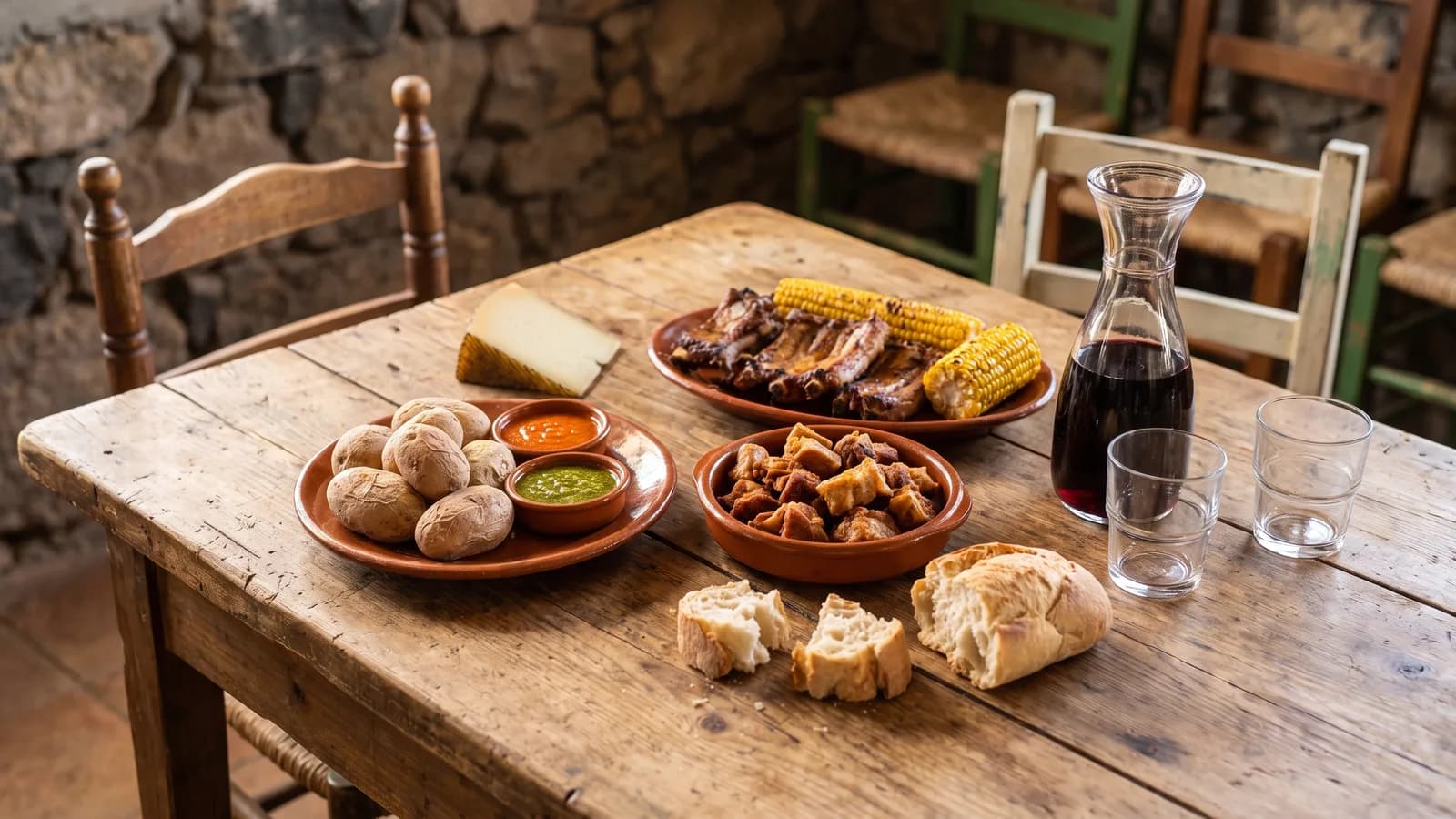
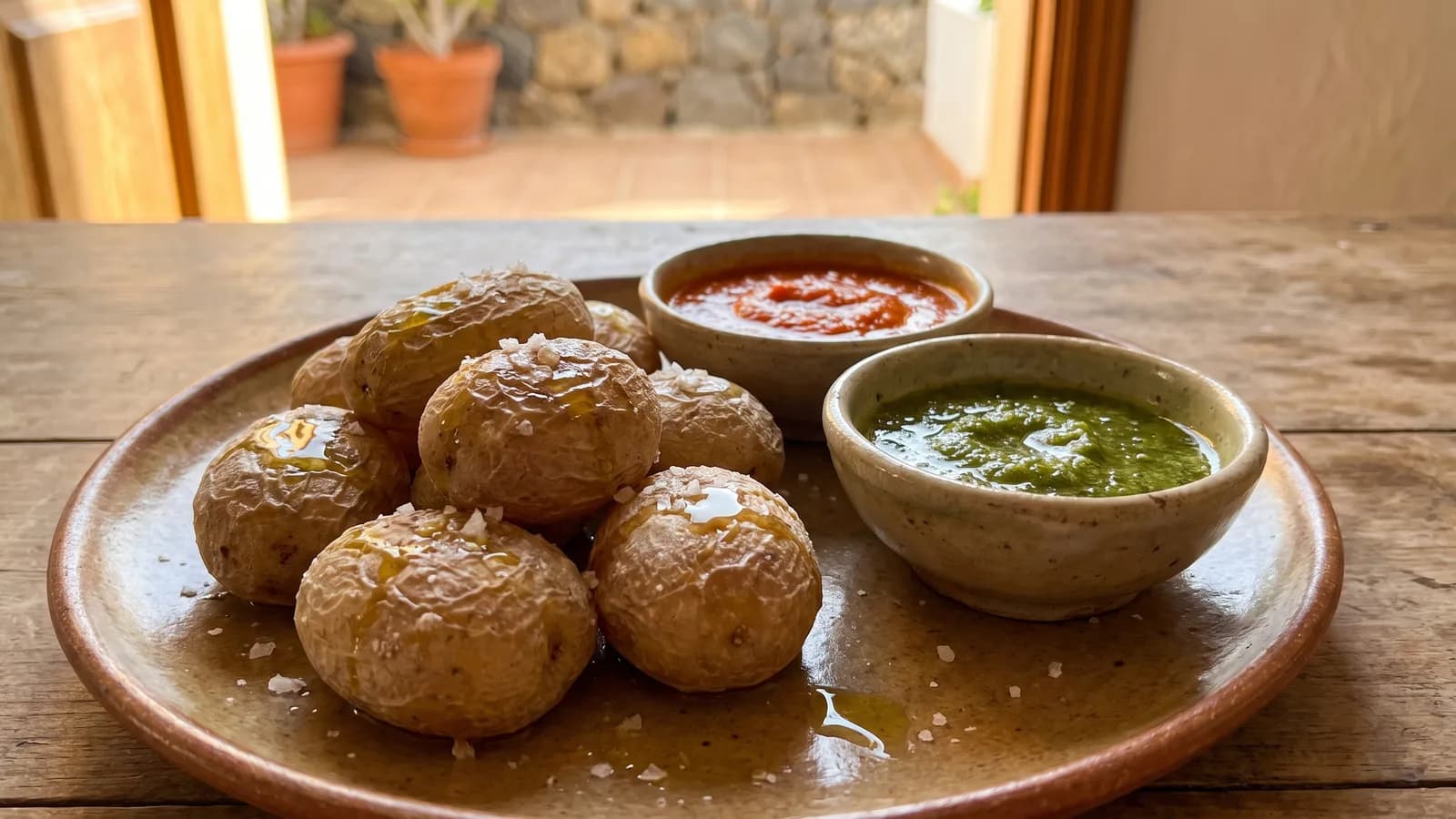
The rule of thumb is simple: the further you get from the seafront and the photos of the dishes, the better you eat and the less you spend. Keep local hours in mind too: lunch runs from 13:30 to 15:00 and dinner rarely starts before 20:00, so places that are empty at 19:00 are not a bad sign. To know what to order, start from the guide to what to eat in Tenerife; to recognise the real places, the one on where to eat like a local.
Costa Adeje and La Caleta
Costa Adeje is the most polished and elegant area in the south, and it concentrates most of the island’s fine dining. It is the right choice for a special dinner: creative cooking, serious wine lists, attentive service. Booking is a good idea here, especially in high season.
A few minutes away is La Caleta, a small fishing harbour turned gourmet corner: fresh fish and seafront restaurants in a much more intimate setting than the big resorts. It is the ideal spot if you want quality and atmosphere without moving too far from the south-west tourist areas.
Los Cristianos
Los Cristianos keeps the heart of the old fishing town, behind the harbour and the main beach. In the streets around the church square and towards the port there are places frequented by residents, with fresh fish, tapas and more honest prices than on the seafront.
It is a good base for a quiet lunch without too much staging. Move away from the seafront row and look for the smaller places full of locals: it is almost always the right sign.
Playa de las Américas
Playa de las Américas is the liveliest and most international area in the south: good for a night out with a group or for those after cuisines from all over the world, less so for those seeking Canarian authenticity. It is also the area with the most tourist traps, so the rule of moving away from the main promenades counts double here.
If your goal is to eat Canarian food or fresh fish, it is better to head towards Los Cristianos or the nearby fishing ports. If instead you want nightlife, ethnic cuisines or an after-dinner drink, Las Américas does its job.
Los Abrigos and Las Galletas
If there is one thing worth the short drive or taxi ride, it is a fish dinner in a fishing port. Los Abrigos, near the southern airport and El Médano, is famous for exactly that: a row of restaurants overlooking the little harbour where you pick the catch of the day by weight. Not canteen prices, but real quality and freshness.
Las Galletas, further west, is another less touristy seaside village, with simple places and fish of the day. They are the right destinations when you want fish "with no frills", the kind the people who live here order.
El Médano
El Médano is different from the rest of the south: a town of surfers and kitesurfers, with a younger, more relaxed feel. The food scene follows the same spirit: casual places, healthy cooking, bowls, brunch and vegetarian options alongside the fish classics.
It is the ideal area if you want a light lunch after the beach or an informal dinner away from the big resorts. The centre is walkable and many places face directly onto the wind-swept promenade.
Los Gigantes and Puerto de Santiago
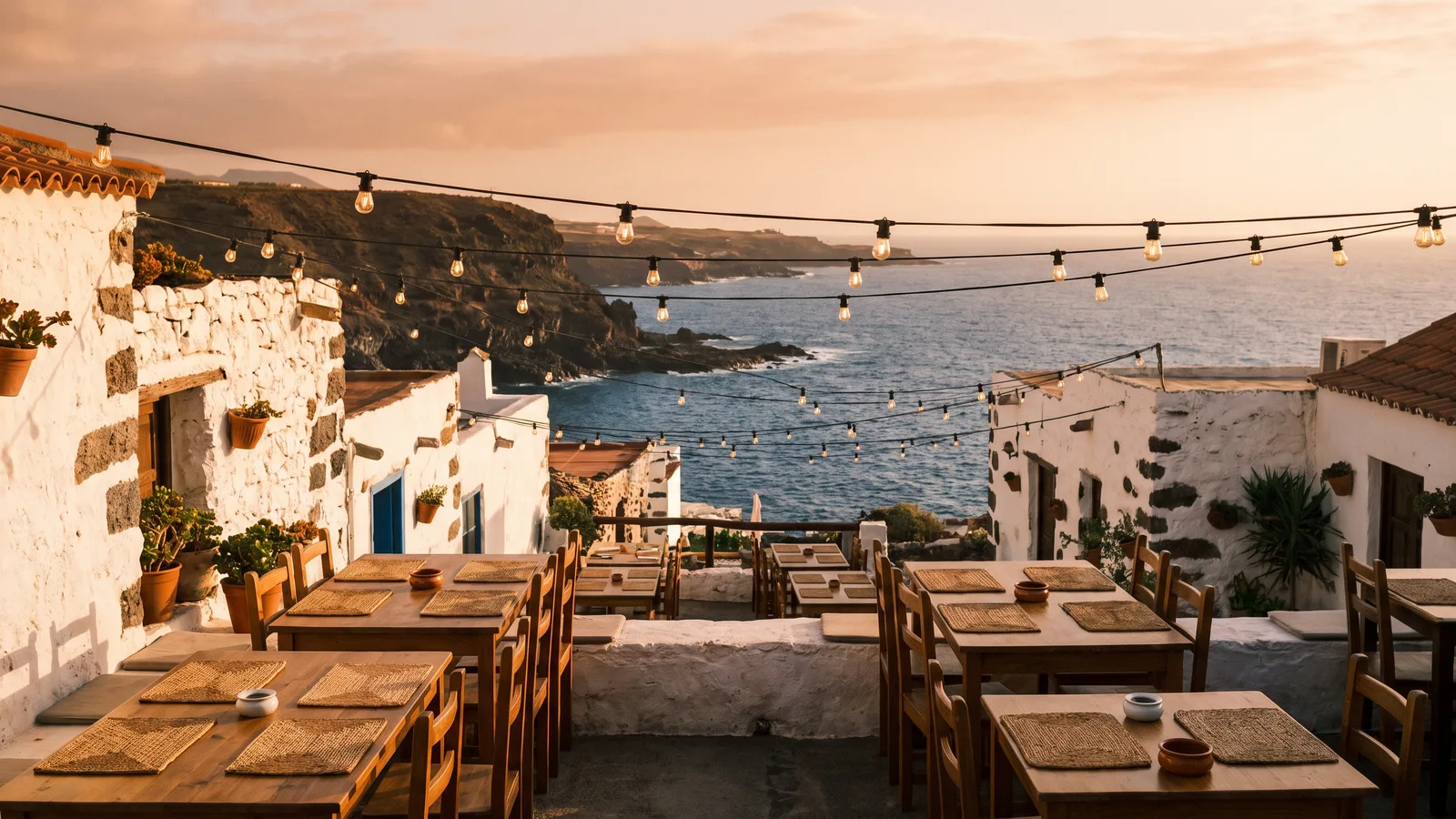
In the south-west, Los Gigantes and Puerto de Santiago add the extra card of the landscape: several restaurants have terraces overlooking the imposing cliffs and the marina. It is the right area for a scenic dinner at sunset, perhaps after a boat trip along the coast.
Here too the quality improves as soon as you move away from the more touristy front row towards the places frequented by residents. It is worth booking a table with a view on high-season evenings.
Which area to eat in, at a glance
| Area | Atmosphere | Ideal for |
| Costa Adeje and La Caleta | Elegant, fine dining and harbour | Special dinner, fish |
| Los Cristianos | Fishing town, authentic | Fresh fish, quiet lunch |
| Playa de las Américas | Lively and international | A night out, ethnic cuisines (mind the traps) |
| Los Abrigos and Las Galletas | Fish ports | Catch of the day, no frills |
| El Médano | Casual, healthy, surf | Light lunch, brunch, vegetarian |
| Los Gigantes and Puerto de Santiago | Terraces with cliff views | Scenic dinner at sunset |
How to eat well and avoid the traps
They apply everywhere in the south, but above all in the more touristy areas:
- Move one or two blocks away from the seafront and the main beaches.
- Be wary of menus with photos of the dishes, many languages and a waiter inviting you to sit down.
- Look for the "pescado del día" and ask which is the fresh fish of the day.
- Prefer places full of locals, especially at lunchtime.
- For a fine-dining dinner in Costa Adeje or a table with a view in Los Gigantes, book in high season.
To plan your days by choosing the right base, the guide to where to stay in Tenerife without a car can also help, and for a slower south the one on the south of Tenerife for couples.
At the table as with the rest of your trip, TPCard brings together the island’s verified partners — restaurants included — in one place on your phone, handy for finding your way and seeing the benefits available during your stay.